Bespoke Blast Solutions
Blast threats continue to pose a significant risk to infrastructure worldwide. These events can originate from deliberate terrorist attacks or industrial incidents such as petrochemical explosions, gas vapour cloud ignitions, and process plant failures.
At Stafford Bridge, our blast-resistant doorsets are specifically engineered and certified to protect against both forms of blast loading. This includes the short-duration, high-intensity pressures associated with TNT-type detonations, as well as the extended-duration pressure waves generated during petrochemical blast events. These differing characteristics impose unique demands on building components, requiring specialist designs that can maintain integrity under extreme conditions.
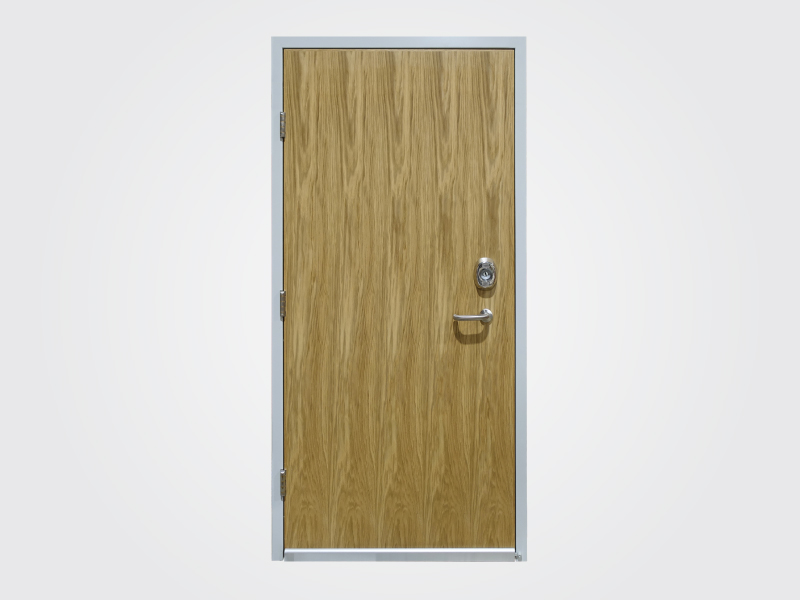
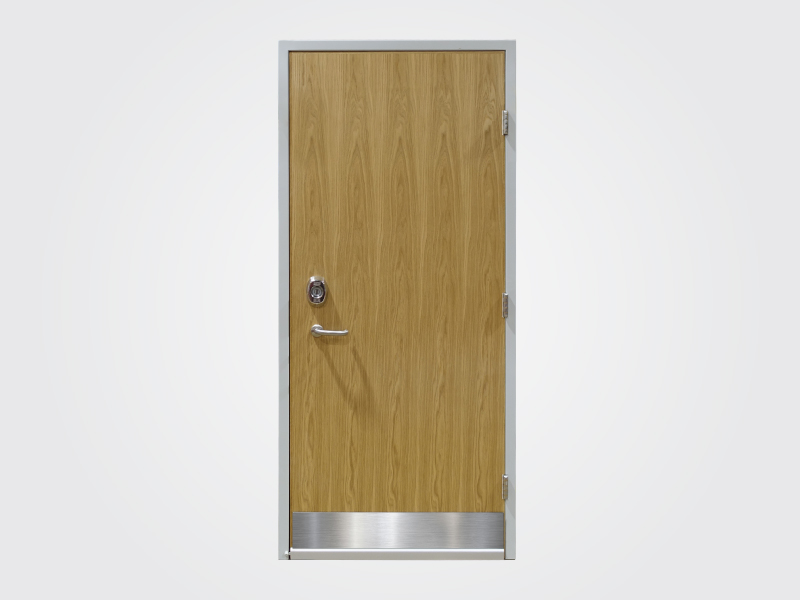
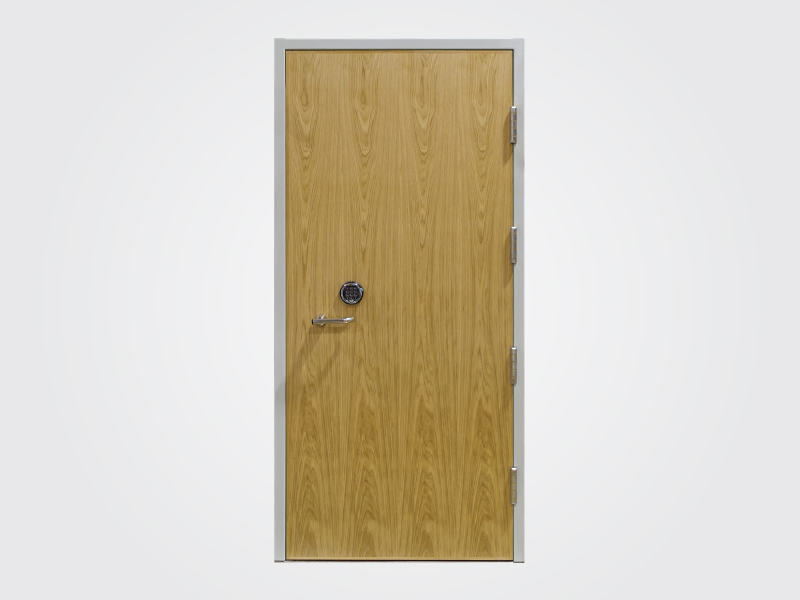
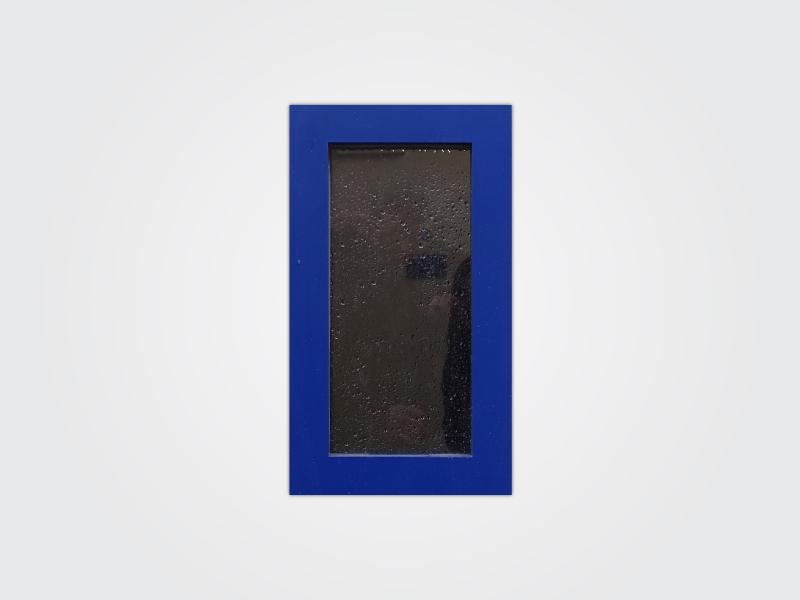
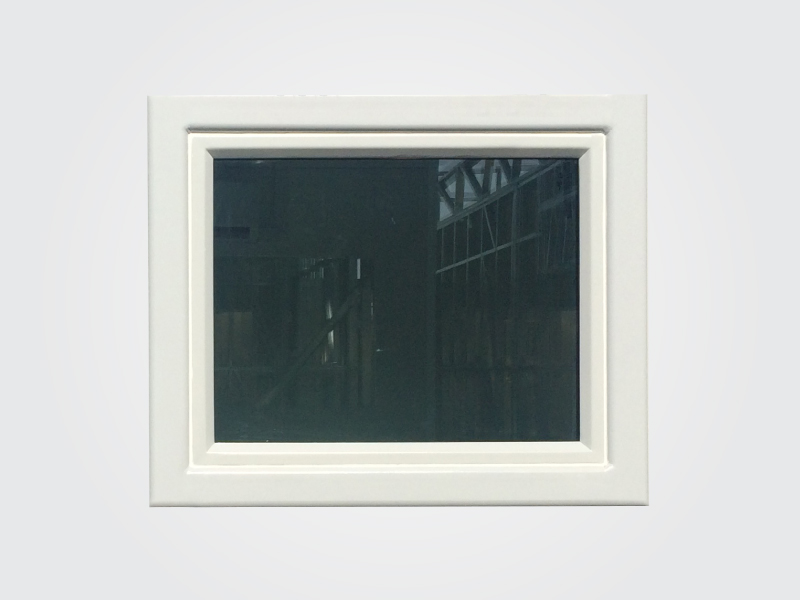
Manufactured in-house and certified to globally recognised blast resistance standards, our doorsets are designed to withstand the initial force and subsequent shock waves. When combined with our range of blast-rated vision panels, windows, walls and louvres, they offer all-encompassing protection for high-risk industrial facilities and sensitive environments.
Explore our blast-rated solutions below and discover how Stafford Bridge can help minimise damage, improve blast resilience, and protect critical infrastructure from both security threats and accidental explosion risks.
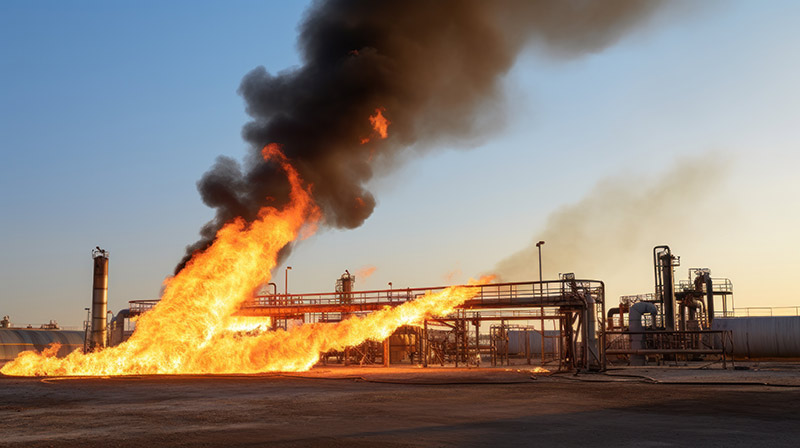
Blast Threats and Explosion Risks
Our solutions offer protection against both security blast threats and industrial explosion risks. What is the difference, and which one should you prepare for when specifying for your business?
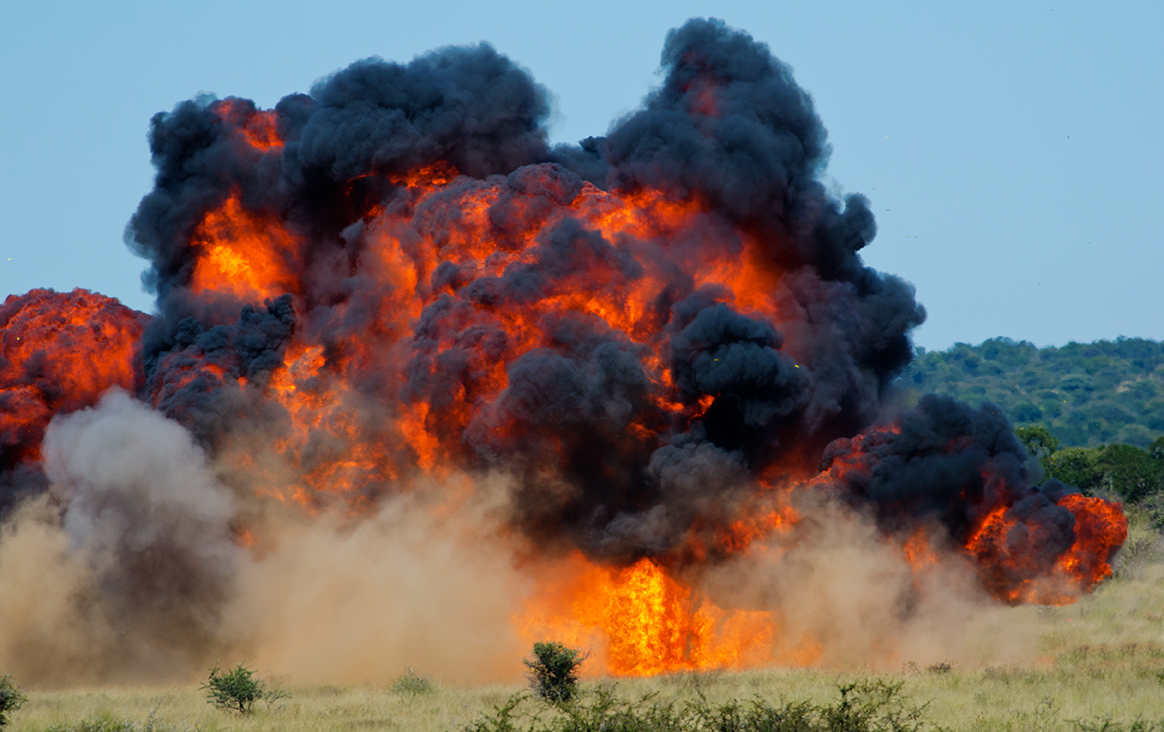
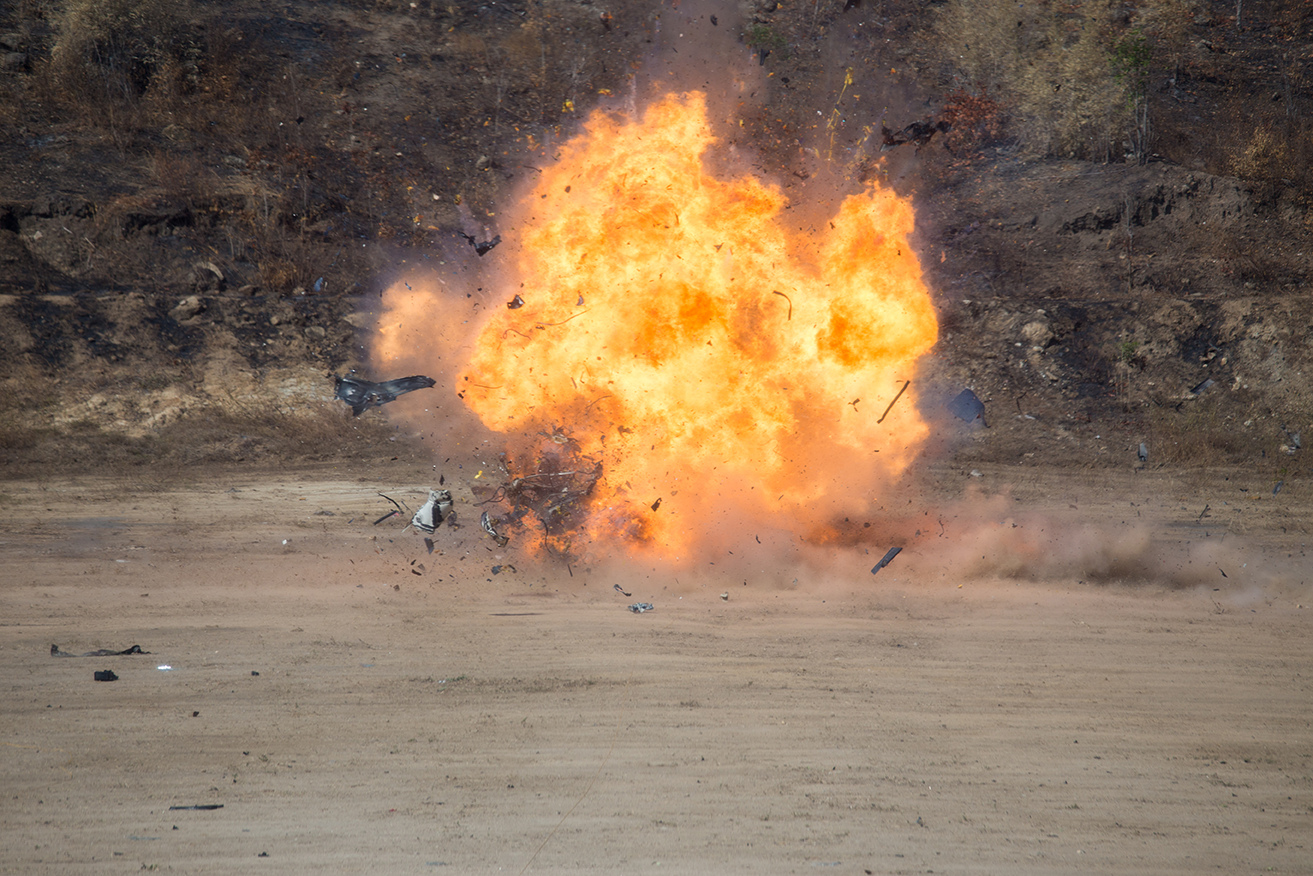
Intentional blasts caused by terrorist and malicious attacks are aimed to cause severe damage to building structures and bodily harm to inhabitants and witnesses. Using volatile materials that generate incredibly high amounts of energy, these explosions are sudden, intense, and localised. High-profile buildings at risk of such attacks must incorporate resilience against small-radius shockwaves, extreme heat, and flying debris.
Industrial blasts, such as petrochemical explosions, gas ignition accidents, and process incidents, generate heat and a blast wave that consists of both positive and negative pressure. Threats from hazardous pollutants, shockwave pressure, and fire must be considered in these high-risk locations, as they pose severe risks to personnel, equipment, and the environment. These dangerous elements make the use of blast-resistant solutions that resist long-radius shockwaves, structural collapse, and fires non-negotiable.
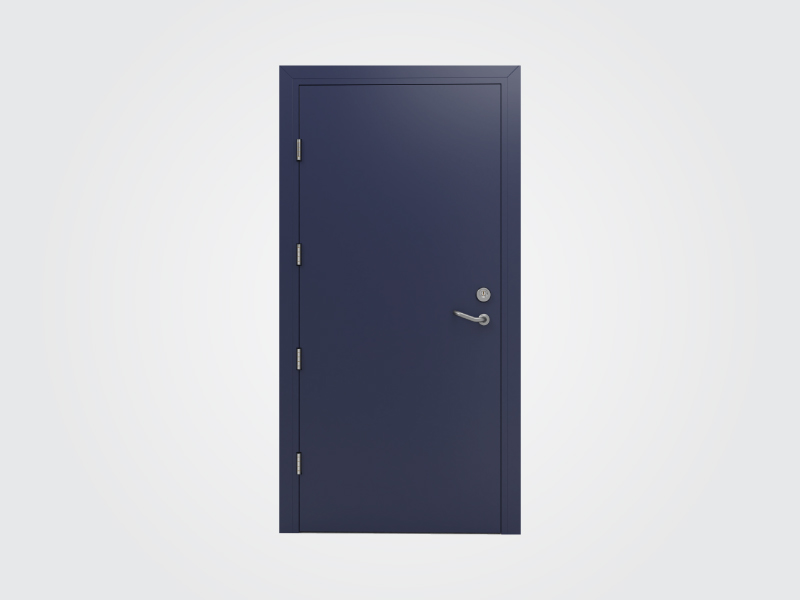
3 PSI

5 PSI

8 PSI
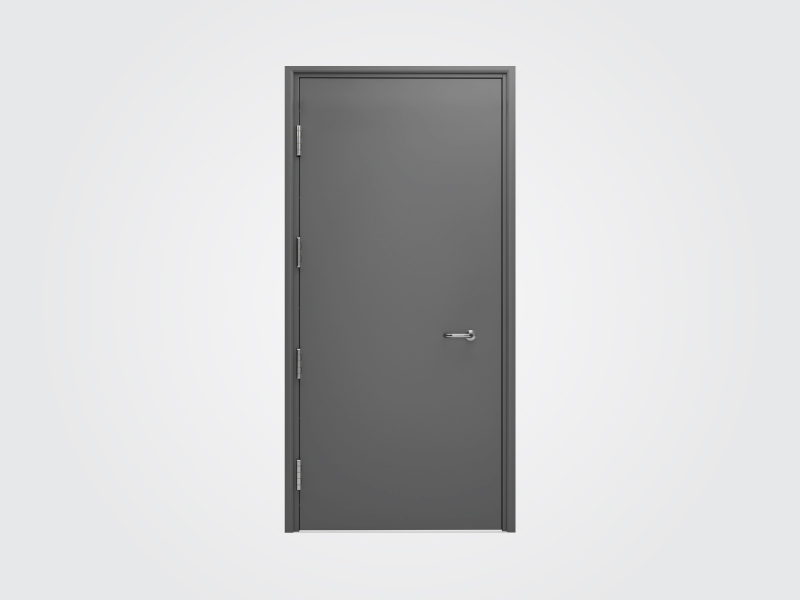
12 PSI
Blast Testing
A product’s blast resistance can also be determined using mathematical equations. Calculations are based on material values or load-test data to determine how a product may perform against a blast threat.
Blast Standards

‘People in Protected Spaces’
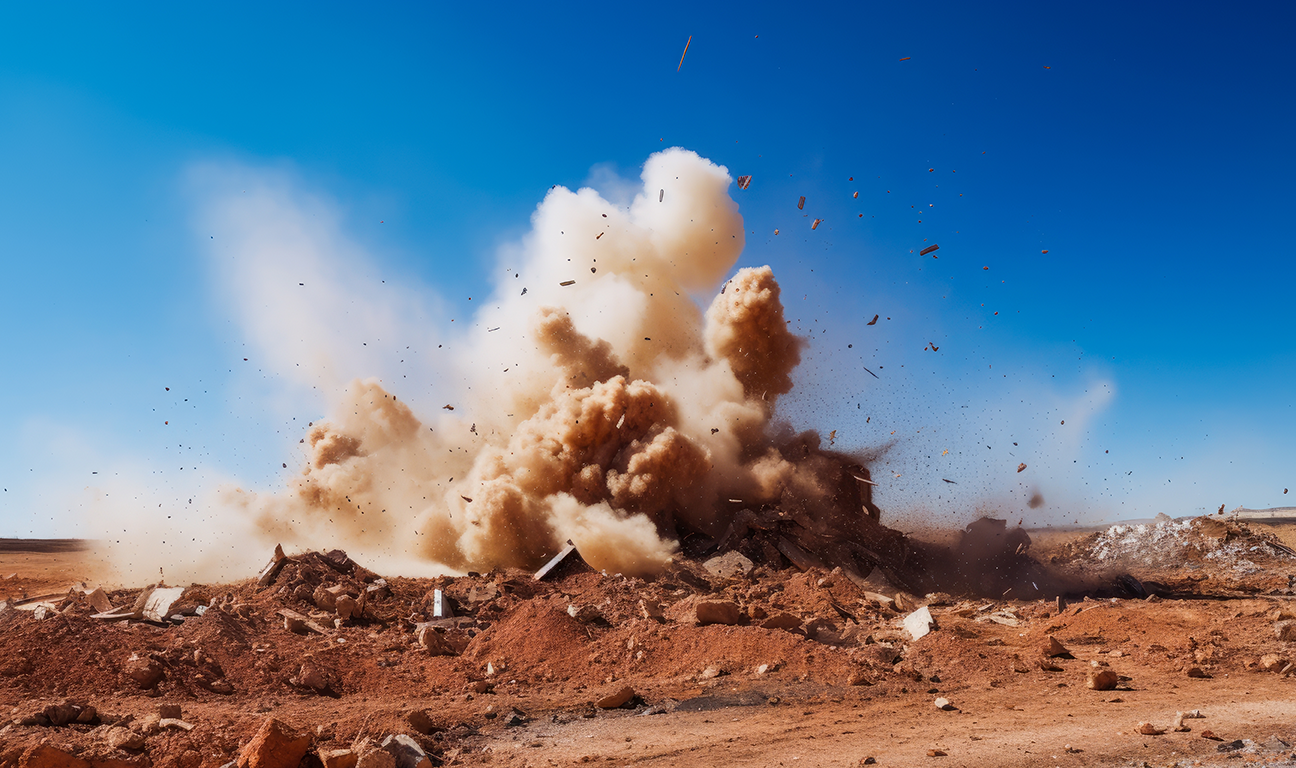

EN 13123-2
To learn more, please contact us.

ISO 16933:2007
ISO 16933:2007 is an internationally recognised blast standard designed to assess security glazing and glass resistance to blast attacks. The test involves subjecting the glazing and glass to air-blast pressures and impulses to assess their classification and suitability for blast applications. There are several simulations including vehicle bombs and smaller satchel bombs, to determine a product’s strength and resilience.
Functionality


Entry

Operation

Control

Lock
Gallery



Reilience in Action
Continue your professional development by joining us for an action-packed, 2-day course designed to deepen your understanding of the real-world impact of blast, ballistic, forced entry, and life safety threats and Hostile Vehicle Mitigation (HVM).